




We have all seen it. The micro-business owner who thinks a website is a magic wand. They launch, the leads don't pour in immediately, and they blame the design.
As an agency owner, you know the truth: a website is just one piece of the infrastructure.
Your clients aren't making these mistakes out of negligence; they simply don't know what they don't know. That is where you come in. Here are seven common pitfalls that kill client projects, and how you can position your agency to solve them (and bill for it).
1. The "Ready, fire, aim" approach
Clients love to skip the boring stuff. They want to see high-fidelity mockups before they have defined a target audience. Going in headfirst without a roadmap is a recipe for endless revisions and scope creep.
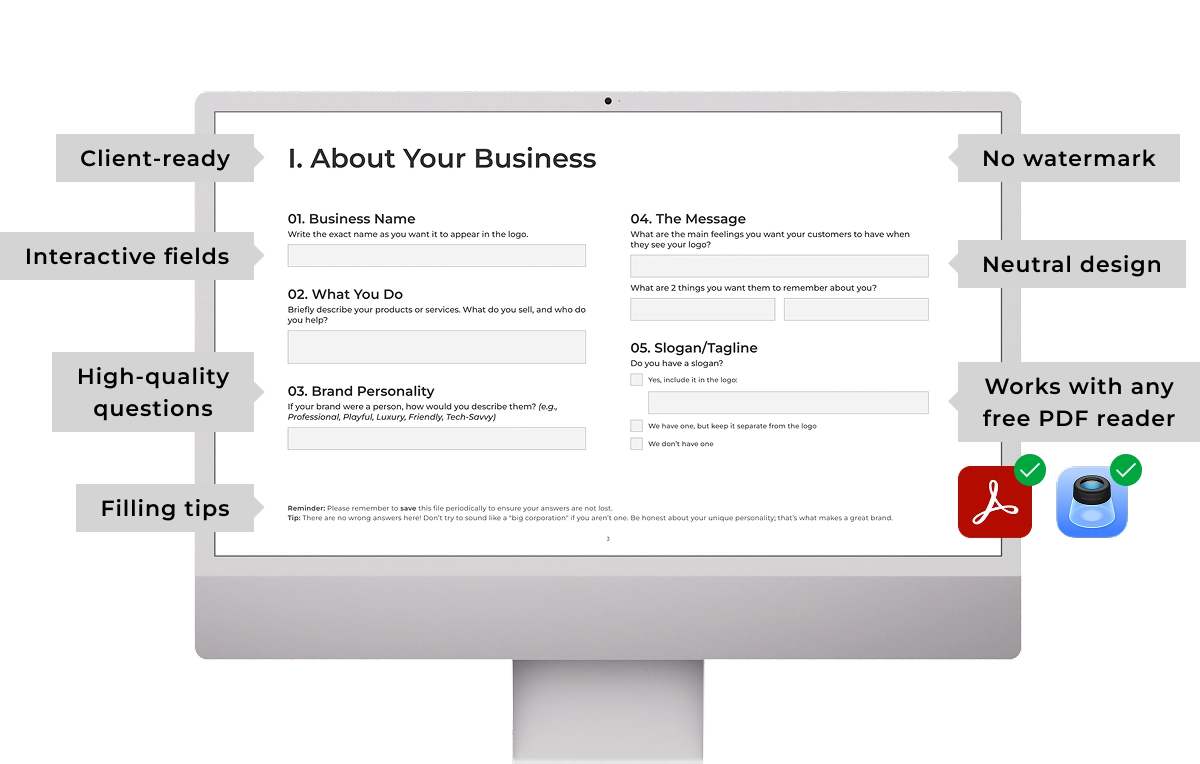
The agency fix: Mandate a discovery phase. Never start a project without a brief that outlines goals and market positioning. If the client hasn't done the homework, don't guess - sell them strategy as a paid service.
2. The $50 logo mentality
In the rush to get online, branding is often treated as an afterthought. Clients realize they need a logo only when the web designer asks for the file. This leads to generic identities that fail to build trust.
The agency fix: Educate them on the difference between a graphic mark and a brand feeling. A weak brand signals a risky business. Offer comprehensive identity packages that include usage guides - it protects your design work and their reputation.
3. The "Me, me, me" website
Inexperienced entrepreneurs write autobiographies. They think the site should be about their history and their accolades. But visitors are selfish; they only care about solving their own problems. If the user isn't the hero of the story, they will bounce.
The agency fix: Shift the focus. Help the client define their user personas. Ensure the site structure solves the user's pain points in the first 3 seconds, rather than stroking the business owner's ego.
4. The DIY trap
The "solopreneur" mindset leads to burnout. By trying to be the CEO, the marketer, and the designer, your client loses focus on their core competency. The opportunity cost of "saving money" by doing it themselves is usually higher than your fee.
The agency fix: Position yourself as their solutions hub. Even if you don't offer every service personally, build a network of trusted white-label partners to handle the heavy lifting. You become the valuable partner who saves them time.
5. The "Field of dreams" fallacy
"If you build it, they will come" is a lie. A beautiful website that sits on page 10 of Google is a wasted asset. Relying solely on organic growth often leads to a plateau, and eventually, a dissatisfied client.
The agency fix: Be transparent about the post-launch reality. Don't let them leave with just a URL; offer ongoing SEO, content strategy, or paid ad management to ensure their new investment actually generates a return.
6. Ignoring the thumb zone
With over 60% of traffic coming from mobile, a non-responsive site is a business killer. If a visitor has to pinch-and-zoom to read your client's offer, they are gone. Google hates it, and users hate it.
The agency fix: Don't just check if the site "loads" on a phone; ensure the experience is native. Research the client's specific audience to see their device habits and tailor the UI to match.
7. Expecting overnight miracles
New entrepreneurs often expect immediate ROI and get discouraged when the phone doesn't ring off the hook in week one. Real success is a slow burn that requires consistency.
The agency fix: Manage expectations from day one. Set a realistic roadmap and define what "success" looks like at the 3, 6, and 12-month marks. By acting as a steady guide, you keep them focused on long-term growth rather than short-term panic.
Conclusion
The gap between having a website and having a successful business is where your agency thrives. By identifying these pitfalls early, you transition from being a service provider to being a strategic partner - one they can't afford to lose.

Eliminate the guesswork
Mandate a discovery phase today. Grab the plug-and-play Discovery Session workbook to guide your clients seamlessly and eliminate endless revisions.